Metal fabrication has always carried a quiet strength, a presence that shapes the world without demanding attention. Yet in modern design and construction, fabricated Metal Privacy Gates has stepped into the spotlight, not only as a structural necessity but also as an artistic expression. The phrase “whispers of iron elegance” captures this transformation perfectly. What was once purely functional now reflects style, identity, and craftsmanship. From architectural accents to custom structural elements, metal fabrication has evolved into a discipline that balances durability with visual storytelling, allowing spaces to communicate strength in subtle and sophisticated ways.
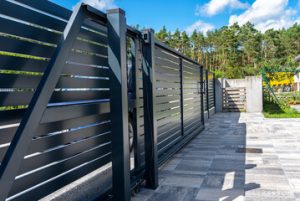
At its core, metal fabrication is about transformation. Raw metal becomes something purposeful through cutting, bending, welding, and finishing. This process blends technical precision with creative interpretation, producing pieces that feel both engineered and handcrafted. Modern fabrication techniques allow designers and builders to explore shapes and textures that were once difficult to achieve. As a result, fabricated metal is no longer hidden behind walls or confined to industrial environments; it has become a design centerpiece that enhances modern spaces while maintaining a timeless sense of reliability.
The rising appreciation for fabricated metal is closely tied to shifting design philosophies. Today’s environments emphasize authenticity and material honesty, favoring elements that reveal their natural strength and texture. Iron and steel surfaces, when shaped thoughtfully, create visual contrast against softer materials such as glass or wood. This contrast introduces balance, grounding contemporary spaces with a sense of permanence. Fabricated metal components often carry a refined simplicity, allowing their craftsmanship to speak quietly rather than overwhelm the surrounding design.
One reason metal fabrication continues to gain popularity is its unmatched versatility. Fabricators can create intricate decorative panels, sleek staircases, durable gates, and structural frameworks that serve both functional and aesthetic roles. The adaptability of metal makes it ideal for projects that demand customization and originality. Unlike prefabricated materials that limit creative freedom, fabricated metal allows designers to experiment with patterns, finishes, and proportions that align perfectly with the vision of a space. This freedom has positioned metal fabrication as a cornerstone of modern architectural expression.
Beyond aesthetics, fabricated metal plays an essential role in performance and longevity. Metal components are engineered to withstand heavy use, environmental stress, and the passage of time without losing their structural integrity. This durability aligns with the growing demand for sustainable design solutions. Instead of frequent replacements or repairs, well-crafted metal elements offer lasting value. Their resilience reduces waste and contributes to projects that prioritize long-term efficiency over short-term convenience. The whisper of iron elegance lies not only in appearance but also in the quiet confidence of enduring quality.
Technology has reshaped the way metal fabrication is approached, opening new possibilities for precision and creativity. Advanced design software enables fabricators to visualize complex structures before production begins, ensuring accuracy and reducing material waste. Automated cutting and forming tools allow for detailed patterns and seamless joints that elevate the overall finish. Despite these technological advancements, the human touch remains essential. Skilled fabricators interpret designs, refine details, and ensure that each component meets both functional and artistic expectations.
As fabrication techniques evolve, the relationship between designers and fabricators has become increasingly collaborative. Rather than treating fabrication as a final step, many projects integrate metal specialists early in the design process. This collaboration allows for innovative solutions that enhance both performance and aesthetics. When creative vision meets technical expertise, the result is often a piece that feels cohesive and intentional, blending seamlessly into the larger design narrative.
To understand the growing appeal of metal fabrication, it helps to explore some of the defining qualities that contribute to its elegance:
- Balance Between Strength and Grace: Fabricated metal combines structural power with refined design, allowing it to serve as both a functional support and a visual statement.
- Timeless Adaptability: Metal can evolve with changing design trends while maintaining a classic presence, ensuring that fabricated elements remain relevant for years to come.
These qualities reflect why fabricated metal continues to resonate with those seeking materials that convey both reliability and sophistication. It offers a sense of permanence without sacrificing the freedom to innovate.
The artistry of metal fabrication often reveals itself in the smallest details. Subtle curves, textured finishes, and carefully placed welds can transform a simple piece into something extraordinary. Finishing techniques play a significant role in shaping the final aesthetic, influencing how light interacts with metal surfaces. Matte finishes create understated elegance, while polished surfaces introduce a sense of refinement. These choices allow fabricated metal to adapt to a wide range of design styles, from minimalistic environments to more intricate architectural expressions.
In addition to visual appeal, fabricated metal enhances functionality in ways that are not always immediately visible. Structural components provide stability and support, while decorative features often serve practical purposes such as improving airflow or enhancing privacy. This dual role underscores the importance of thoughtful design. Every fabricated piece has the potential to contribute to the overall efficiency of a space while enriching its character.
Sustainability continues to shape the future of metal fabrication. As environmental awareness grows, many projects prioritize materials that can be recycled and reused without compromising performance. Metal stands out as a resource that aligns with these values. Fabricators are also exploring methods to reduce waste during production, optimizing cutting processes and repurposing excess materials whenever possible. This commitment to sustainability ensures that metal fabrication remains relevant in a world increasingly focused on responsible design practices.
The emotional resonance of fabricated metal should not be overlooked. Iron and steel carry a symbolic weight, representing resilience, craftsmanship, and transformation. When incorporated into modern spaces, these materials evoke a sense of history while embracing contemporary innovation. This duality creates a unique atmosphere, one where tradition and progress coexist. The quiet elegance of metal lies in its ability to tell a story without dominating the narrative, allowing spaces to feel grounded and authentic.
Looking ahead, the evolving world of metal fabrication is shaped by several emerging trends that continue to redefine its possibilities:
- Integration With Modern Technology: Advanced tools and digital workflows enable fabricators to achieve intricate designs with remarkable efficiency, expanding the creative boundaries of what metal can become.
- Focus on Customization and Identity: As spaces become more personalized, fabricated metal elements are increasingly designed to reflect unique aesthetics, turning functional components into meaningful design features.
These trends highlight a future where metal fabrication remains deeply connected to both innovation and artistry. Rather than fading into the background, fabricated metal is poised to become an even more prominent feature in modern environments.
Another aspect driving the rise of metal fabrication is its ability to create harmony between indoor and outdoor spaces. Fabricated elements such as railings, partitions, and architectural accents often extend design themes beyond walls, creating a cohesive visual experience. This continuity enhances the flow of a space, making transitions feel natural and intentional. As designers continue to blur the boundaries between interior and exterior environments, fabricated metal provides a versatile solution that adapts effortlessly to different contexts.
The journey of metal from raw material to finished creation reflects the dedication and skill of those who work with it. Each stage of fabrication requires precision, patience, and an understanding of both engineering principles and artistic vision. This process transforms metal into more than a building component; it becomes a reflection of craftsmanship and innovation. The whispers of iron elegance emerge through this transformation, reminding us that beauty often lies in the balance between strength and subtlety.
In conclusion, metal fabrication has evolved into a discipline that embodies both practicality and artistry. Its growing presence in modern design reflects a broader appreciation for materials that offer durability, sustainability, and creative freedom. Through advanced technology, skilled craftsmanship, and thoughtful collaboration, fabricated metal continues to shape spaces in ways that feel both powerful and refined. “Whispers of iron elegance” is more than a poetic phrase—it captures the essence of a material that quietly defines the character of contemporary environments. As the industry moves forward, metal fabrication will remain a symbol of innovation and resilience, forging a path where function and beauty exist in perfect harmony.